
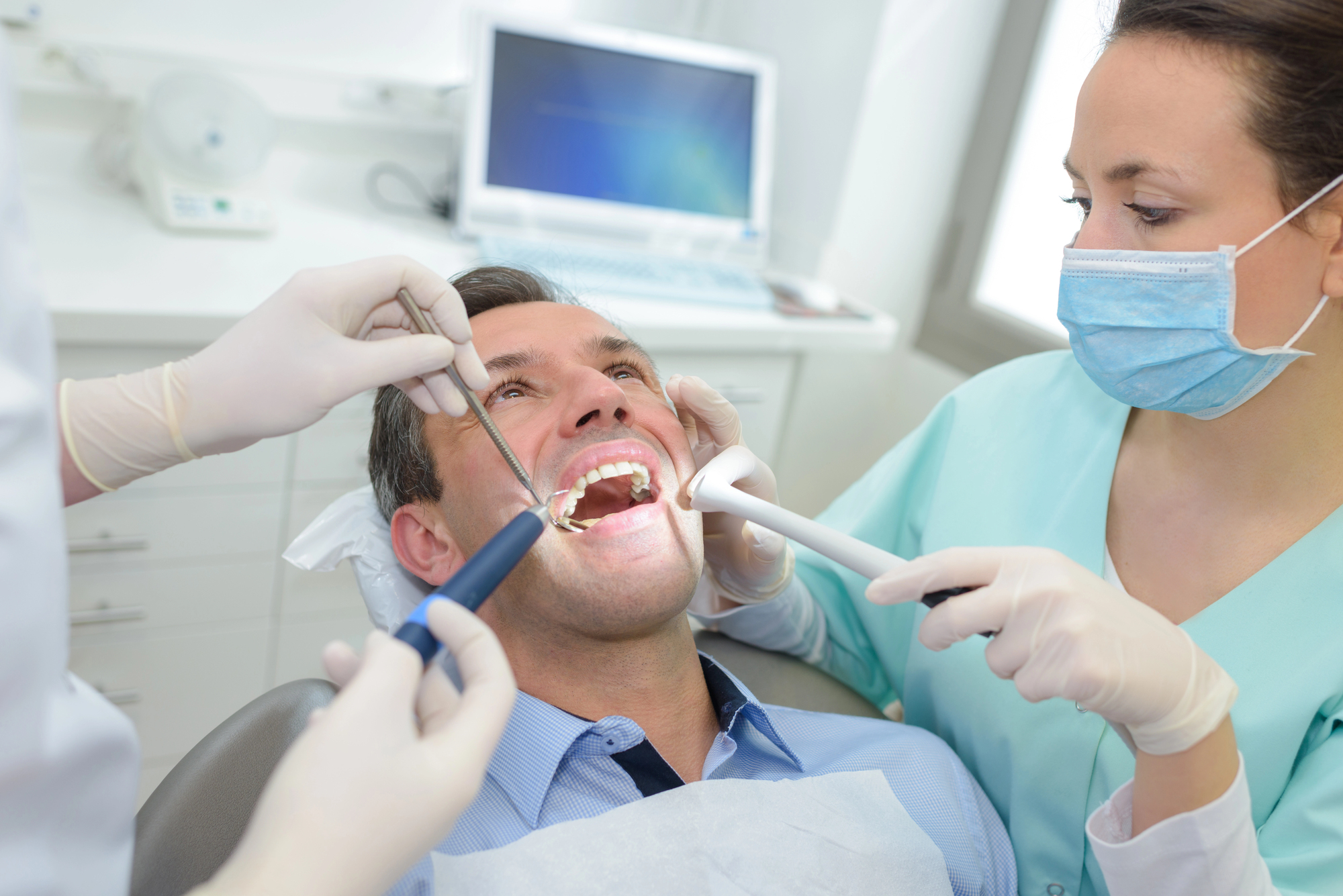
Proper denture maintenance includes daily brushing, careful rinsing and storage, cleaning your gums and remaining teeth, and attending dental appointments to check the fit and condition of your dentures. Depending on the type of denture and your dentist’s instructions, it may also include soaking the appliance when it is not being worn. These habits help reduce plaque, stains, odours, irritation, damage, and other problems that can affect comfort and oral health.
This guide explains how to clean and store full, partial, immediate, and implant-supported dentures. It also covers recommended cleaning products, products to avoid, a practical maintenance schedule, common denture problems, and signs that your dentures need professional attention.
Like natural teeth, dentures can collect food particles, plaque, stains, and bacteria. Without regular cleaning, this buildup may contribute to bad breath, gum irritation, inflammation, and oral infections.
Proper denture maintenance matters because it helps:
A consistent routine supports both your oral health and the long-term condition of your dentures.
The basic principles of denture care are similar, but maintenance considerations vary depending on the type of denture, its materials, and how it is supported:
| Denture Type | Maintenance Considerations |
| Complete Dentures | Clean all surfaces daily, remove adhesive residue, and keep the dentures moist when they are not being worn. |
| Partial Dentures | Clean carefully around clasps and attachments. Continue brushing and flossing any remaining teeth. |
| Implant-Retained Dentures | Remove and clean the denture as directed. Clean around the implants, attachment, gums, and any areas where food or plaque may collect. |
| Implant-Supported Dentures | Follow your dentist’s instructions based on whether the denture is removable or fixed. Clean carefully around the implants and supporting components using the recommended tools. |
| Immediate Dentures | Follow your dentist’s instructions during healing. You may initially be told to wear them overnight before beginning a regular removal schedule. |
Fresh Dental provides several options for dentures in Winnipeg. The most appropriate design depends on how many teeth are missing, the condition of your gums and any remaining teeth, and your treatment goals.
A careful daily routine helps remove food, plaque, adhesive, and other deposits without damaging your dentures:
Dentures may crack if dropped onto a hard surface. Place a folded towel on the counter or fill the sink with some water before removing them.
Use both hands and avoid bending clasps or plastic components. Handle implant attachments and smaller parts carefully.
Rinse the dentures under lukewarm water to remove food particles. Avoid hot water, which can cause some denture materials to warp.
Use warm water and a soft-bristled toothbrush or denture brush to gently remove adhesive from the grooves that rest against your gums. Any adhesive remaining on your gums or other oral tissues can be wiped away with clean gauze or gently removed with a soft toothbrush.
Use a soft denture brush or soft-bristled toothbrush with a non-abrasive denture cleanser. Brush the inside, outside, chewing surfaces, and grooves gently but thoroughly.
A denture-soaking cleanser may help reduce bacteria and odours, but it does not replace brushing. Follow the product instructions and your dentist’s recommendations.
After removing your dentures, gently clean your gums, tongue, cheeks, and the roof of your mouth. Brush and floss any remaining natural teeth as directed.
People with implant-supported dentures should carefully clean around the implants and attachments using recommended tools.
If you are leaving the dentures out, place them in water or an appropriate soaking solution unless your dentist has provided different instructions. Most removable dentures need to remain moist to maintain their shape.
Rinse dentures thoroughly before placing them back in your mouth.
Look for cracks, chips, worn teeth, damaged clasps, or other changes. Do not try to bend, glue, or repair a denture yourself, as home repairs may cause further damage.
A maintenance schedule makes it easier to keep track of denture home care and professional follow-up. The schedule below is a general guide. New dentures, immediate dentures, implants, healing tissues, or oral health conditions may require more frequent appointments:
| Frequency | Recommended Denture Care |
| Daily | Rinse after meals when practical, brush the dentures, remove adhesive, clean your mouth and natural teeth, and soak dentures when not in use. |
| Weekly | Examine the dentures for stains, buildup, cracks, worn areas, and changes around clasps or attachments. Clean the storage container. |
| Monthly | Check whether the dentures still feel stable and comfortable. Replace worn brushes and review product directions. |
| Every 6-12 Months | Attend dental examinations as recommended. Your dentist can assess your mouth, denture fit, bite, attachments, and appliance condition. |
Dentures are not made from the same material as natural tooth enamel. For this reason, products that are safe for natural teeth may scratch, weaken, stain, or distort a denture.
| Recommended Products | Products To Avoid |
| Soft denture brush or soft-bristled toothbrush | Hard- or stiff-bristled brushes |
| Non-abrasive denture cleanser | Abrasive or whitening toothpaste |
| Dentist-approved soaking solution | Bleach or chlorine-containing products unless approved |
| Lukewarm or cool water | Hot or boiling water |
| Products suitable for the denture material | Household or powdered cleaners |
Do not use a denture cleanser while the dentures are in your mouth. Always follow the manufacturer’s directions, including soaking time, concentration, and rinsing instructions.
Most removable dentures should be kept moist when outside the mouth. Store them in clean water or a denture solution approved for the appliance material. Use a clean, labelled container and keep it away from children and pets.
Do not store dentures in hot water or allow them to dry out, as this can affect their shape and fit.
For many patients, removing dentures overnight gives the gums and oral tissues a break from continuous contact and pressure. It also creates time to clean both the dentures and mouth thoroughly.
However, there are exceptions. People with immediate dentures may initially be instructed to wear them overnight to help manage swelling and protect healing tissues. Implant-supported appliances may also have specific instructions. Follow the schedule provided by your dentist.
Changes in your mouth and dentures can occur gradually. Recognizing and addressing them early may help to prevent a minor concern from developing into a more major issue over time:
| Problem | Likely Cause | Prevention | When To See a Dentist |
| Staining | Pigmented foods, drinks, tobacco, plaque, or improper cleaning | Brush daily and use an appropriate cleanser | When stains remain despite regular cleaning |
| Persistent odour | Food debris, plaque, adhesive residue, or inadequate cleaning | Clean the dentures and mouth daily | When odour continues despite proper care |
| Plaque or hardened buildup | Incomplete cleaning or difficult-to-reach areas | Brush all surfaces and attend professional appointments | When deposits cannot be removed safely at home |
| Loose fit | Changes in the gums and bone, wear, or damage | Attend regular assessments and avoid altering the denture | When it slips, affects chewing or speech, or requires more adhesive |
| Cracks or broken clasps | Dropping the denture, wear, or excessive force | Handle it over a protected surface and store it safely | As soon as damage is noticed |
| Sore spots | Uneven fit, trapped debris, or tissue irritation | Keep the appliance clean and have the fit checked | When soreness persists, worsens, or returns |
Contact a dentist when your dentures become loose, uncomfortable, cracked, chipped, or difficult to wear. You should also arrange an assessment if you develop persistent sore spots, swelling, bleeding, unusual changes in the mouth, difficulty chewing, or recurring stability problems.
Regular dental examinations remain important even when you no longer have natural teeth. Your dentist can evaluate your gums and oral tissues, check the fit and bite of the dentures, assess implant attachments, and arrange professional cleaning, adjustment, repair, or replacement when needed.
Fresh Dental offers complete, partial, and implant-supported denture options at our Pembina and Kenaston Village locations. If your dentures no longer fit comfortably or you would like guidance on caring for them, schedule an appointment with our experienced team at either location.